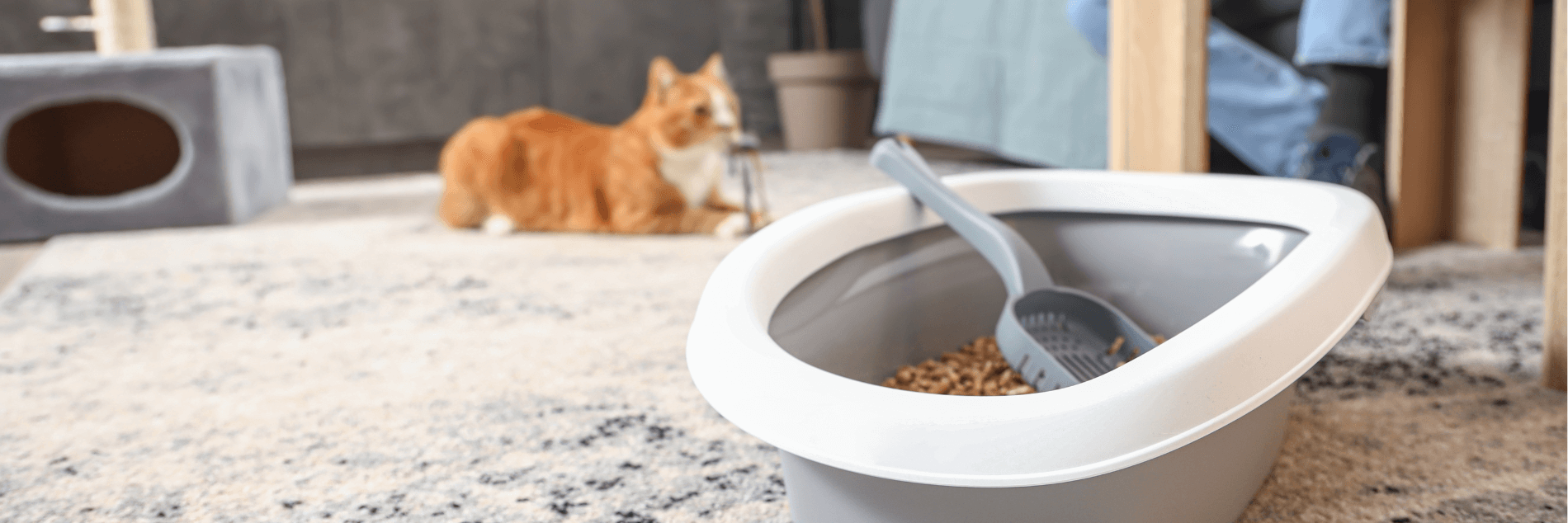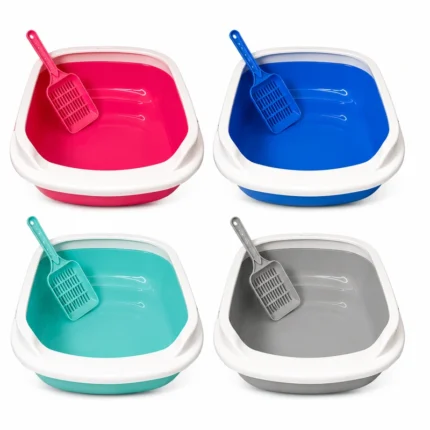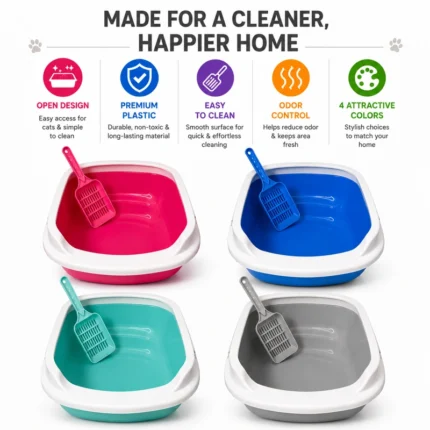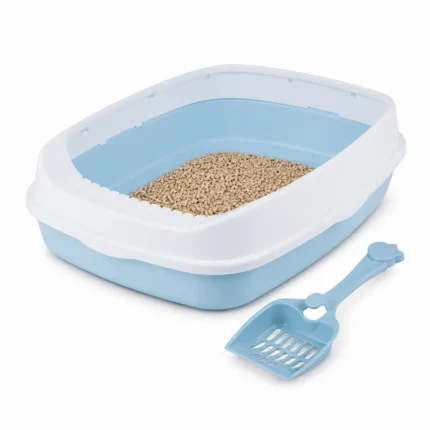
A good cat litter box makes daily cleaning easier, keeps your home fresher, and helps your cat feel comfortable using the toilet area. In Bangladesh, many cat parents keep litter boxes indoors, so choosing the right size, shape, placement, and litter setup matters more than many beginners realize.

This guide explains how to choose a litter tray for cats, what features to compare, which box style suits different homes, and how to avoid common litter box mistakes that can lead to smell, tracking, or litter box refusal.

Need litter for your new setup? You can shop cat litter online in Bangladesh at PurePetsFood and choose a suitable litter type for your cat’s box.

Why the Right Cat Litter Box Matters

Your cat’s litter box is not just a plastic tray. It is part of your cat’s daily routine and comfort. If the box is too small, too dirty, too difficult to enter, or placed in a stressful area, your cat may avoid it even if the litter quality is good.

For indoor cats, a well-chosen box helps with hygiene, odor control, cleaner floors, and easier daily maintenance. It also makes life easier for new cat owners who are still learning how much litter to use and how often to clean the tray.

Cat Litter Box Sizes: How Big Should It Be?

The most important rule is simple: the box should give your cat enough room to enter, turn around, dig, and cover waste comfortably. A box that looks fine for a kitten may become too small once the cat grows.

  • For kittens: Choose a low-entry box so they can climb in easily.
  • For adult cats: Use a box that is longer than your cat’s body length if possible.
  • For large cats: Choose an extra-large tray or open box with enough turning space.
  • For senior cats: Avoid high sides that make entry difficult.
  • For multi-cat homes: Use more than one box to reduce stress and competition.

If your cat frequently urinates over the edge, kicks litter outside, or avoids the tray, the size or side height may be wrong.

Types of Cat Litter Boxes in Bangladesh

Different cat toilet box styles work for different homes. The best choice depends on your cat’s age, personality, litter type, and where you plan to place the box.

Box Type Best For Advantages Possible Drawbacks
Open litter tray Kittens, beginners, and cats that dislike enclosed spaces Easy entry, easy cleaning, simple to monitor More visible litter and possible tracking
High-sided litter box Cats that dig heavily or kick litter outside Helps reduce scattered litter May be hard for kittens or senior cats to enter
Covered litter box Homes wanting a neater look and privacy Can hide mess and reduce visible litter May trap odor if not cleaned often
Top-entry box Adult cats and homes with litter tracking issues Can reduce tracking and keep dogs away Not ideal for kittens, senior cats, or cats with mobility issues
Sifting litter box Owners using compatible litter types Can make waste separation easier Not suitable for every litter material

Open vs Covered Litter Box: Which Is Better?

Many cat owners choose a covered box because it looks cleaner and gives privacy. However, some cats prefer open boxes because they feel safer and can see their surroundings. There is no single best cat litter box for every cat.

Choose an Open Box If

  • Your cat is a kitten or senior cat.
  • Your cat dislikes enclosed spaces.
  • You want quick and easy scooping.
  • You need to monitor urine, stool, or cleaning condition easily.

Choose a Covered Box If

  • Your cat accepts enclosed spaces comfortably.
  • You want a neater-looking litter area.
  • You can clean the box daily to prevent trapped odor.
  • Your home needs better visual control of scattered litter.

If you are unsure, start with an open tray. It is easier for most cats to accept and easier for owners to clean properly.

Cat Litter Box Price in BD: What Affects Cost?

Cat litter box price in bd depends on size, material quality, design, lid type, entry style, scoop inclusion, brand, and product availability. A basic open litter tray usually costs less than a covered, high-sided, or top-entry design.

Do not choose only by the lowest price. A small or weak tray may need replacement sooner, spill litter more often, or make cleaning harder. A better-sized box can save time and reduce daily mess.

  • For kittens, start with a low-entry affordable tray.
  • For adult cats, prioritize size and durability.
  • For odor-sensitive homes, choose a box that is easy to clean daily.
  • For heavy diggers, consider high sides to reduce scattered litter.

For litter cost planning, read our cat litter price guide before buying regular refill packs.

Key Features to Check Before Buying

Before choosing a litter tray for cats, compare practical features that affect daily use. A good-looking box is not enough if your cat avoids it or if cleaning becomes difficult.

Feature Why It Matters Buying Tip
Size Your cat needs space to turn, dig, and cover waste. Choose larger than you think, especially for adult cats.
Entry height High entry can be difficult for kittens or senior cats. Use low-entry boxes for young, old, or mobility-limited cats.
Side height Higher sides help reduce litter scatter. Choose high sides for cats that dig heavily.
Material Durable plastic is easier to wash and lasts longer. Avoid flimsy trays that bend or crack quickly.
Ease of cleaning Complicated designs can trap waste and odor. Choose smooth surfaces and simple shapes.
Lid or cover Covers can hide mess but trap odor. Only choose covered boxes if your cat accepts them.

Best Cat Litter Box Setup for Bangladesh Homes

Many Bangladesh homes have compact rooms, tiled floors, shared balconies, or washroom corners. Your litter box setup should balance privacy, airflow, cleaning access, and your cat’s comfort.

  • Place the box in a quiet but accessible area.
  • Keep it away from your cat’s food and water bowls.
  • Avoid placing it beside noisy appliances.
  • Use a litter mat to reduce tracking on the floor.
  • Keep a scoop nearby for daily cleaning.
  • Use enough litter depth for proper digging and absorption.

For choosing the right litter type with your box, visit our cat litter guide.

Which Litter Works Best With Your Box?

The box and litter should work together. A high-sided box can reduce scatter from clay granules, while an open tray can help cats adjust to a new low-dust litter more easily.

If you want strong clumping and easy scooping, compare bentonite cat litter. If you prefer a lighter plant-based option with lower dust, read our tofu litter for cats guide.

How Many Litter Boxes Do You Need?

A common recommendation is to provide one box per cat, plus one extra if your home has enough space. This helps reduce conflict, stress, and accidents, especially in multi-cat households.

Number of Cats Recommended Boxes Practical Note
1 cat 1 to 2 boxes One box may work, but an extra box is helpful in larger homes.
2 cats 2 to 3 boxes Separate boxes reduce competition and stress.
3 cats 3 to 4 boxes Place boxes in different areas, not all side by side.
Senior cat At least 1 easy-access box Low-entry boxes are safer and easier to use.

Cleaning and Maintenance Tips

Even the best cat litter box will smell bad if it is not cleaned properly. Regular cleaning keeps your home fresh and encourages your cat to keep using the box.

  1. Scoop clumps and solid waste at least once daily.
  2. Top up clean litter when the level becomes low.
  3. Wash the box regularly with mild, cat-safe cleaning products.
  4. Dry the box fully before refilling with litter.
  5. Replace old trays when scratches begin to hold odor.
  6. Keep the surrounding floor clean and dry.

If odor remains a problem after proper cleaning, our cat litter deodorizer guide can help you choose safe odor-control support.

Safety Recommendations for Cat Parents

Choose a box that your cat can enter and exit safely. Kittens, senior cats, overweight cats, and cats with mobility issues may struggle with tall or top-entry boxes. Avoid placing the box where your cat may feel trapped, startled, or blocked by another pet.

If your cat suddenly stops using the box, urinates frequently, cries while urinating, passes blood, or has repeated accidents, contact a veterinarian. Litter box avoidance can be linked to medical issues, stress, hygiene, or box preference. Cornell Feline Health Center explains common causes of house soiling and litter box problems here: Cornell Feline Health Center.

Common Cat Toilet Box Mistakes to Avoid

  • Buying a box that is too small: Cats need space to move and dig comfortably.
  • Choosing style over comfort: A covered box is useless if your cat refuses it.
  • Putting the box near food: Cats prefer toilet areas away from eating areas.
  • Cleaning too late: Dirty boxes can cause odor and avoidance.
  • Using strong cleaners: Harsh smells may discourage box use.
  • Ignoring senior cat needs: Older cats may need low-entry access.
  • Keeping only one box for multiple cats: This can create stress and accidents.

Final Verdict: How to Choose the Right Cat Litter Box

The right cat litter box should be roomy, easy to enter, simple to clean, and comfortable for your cat’s daily routine. For most beginners, a large open or high-sided tray is a safe starting point. Covered and top-entry boxes can work well, but only if your cat accepts them comfortably.

Before buying, think about your cat’s age, size, digging style, litter preference, and where the box will stay in your home. A smart setup reduces smell, litter tracking, and cleaning stress.

To complete your setup, visit PurePetsFood and buy cat litter online with convenient delivery in Bangladesh.

FAQs About Cat Litter Box

What size cat litter box should I buy?

Choose a box large enough for your cat to enter, turn around, dig, and cover waste comfortably. Adult cats usually need a larger tray than many beginner owners expect.

Is an open or covered litter box better?

An open box is easier to clean and suits most cats. A covered box can look neater, but it may trap odor and some cats dislike enclosed spaces.

How often should I clean a cat litter box?

Scoop waste at least once daily and wash the box regularly. A clean box helps control odor and encourages your cat to use it consistently.

Where should I place the litter box?

Place it in a quiet, accessible area away from food, water, and noisy appliances. Your cat should be able to enter and leave without feeling trapped.

Why is my cat not using the litter box?

Possible reasons include dirty litter, wrong box size, stressful location, disliked litter, or health problems. If the behavior changes suddenly, consult a veterinarian.

Where can I buy cat litter products in Bangladesh?

You can buy cat litter products online from PurePetsFood. Browse the cat litter category to compare available litter types, pack sizes, and current product options.