
 Dry Cat Food
 Cat Wet Food
 Adult Cat Food
 Kitten Food
 Canned Cat Food
 Cat Pouch Food
 Cat Treats
 Cat Litter Scoop
 Cat Litter Box
 Clumping Cat Litter

 Kitten Milk Replacer
 Cat Deworming Products
 Cat Shampoo
 Cat Bathing
 Cat External Care Products
 Cat Hygiene Products
 Cat Cleanup & Odor Control
 Cat Supplement Products
 Cat Toothbrushes
 Puppy Training
 Cat Feeder
 Cat Grooming
 Catnip
 Cat Food Bowl
 Cat Bow Ties
 Cat Collar
 Cat Harnesses
 Cat Scratchers
 Cat Sunglasses
 Puppy Food
 Adult Dog Food
 Dog Toys
 Dog Harnesses
 Dog Shampoo
 Dog Vitamins and Supplements
 Dog External Care Products
 Rabbit Adult Food
 Rabbit Accessories
 Rabbit Junior Food


 Pet Bed, Carrier & House
 Cat Dress & Tshirt
 Pet Houses
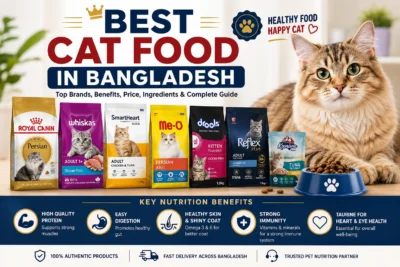
Top cat food brands and nutrition benefits for cats in Bangladesh.
Best Cat Food in Bangladesh means choosing the right food based on your cat’s age, breed, health condition, budget, and feeding preference. A good cat food should support healthy growth, strong muscles, digestion, immunity, skin, coat, heart health, eye health, and daily energy.
At Pure Pets Food Bangladesh, you can buy cat food, kitten food, dry cat food, wet cat food, cat treats, cat litter, and pet supplies online with delivery across Bangladesh. This guide explains the best cat food brands in Bangladesh, price range, ingredients, feeding tips, and how to choose the right food for kittens, adult cats, Persian cats, indoor cats, and senior cats.
What Makes the Best Cat Food in Bangladesh?
The best cat food is not always the most expensive one. The right choice depends on your cat’s age, weight, lifestyle, digestion, taste preference, and any special health needs. A kitten needs growth-support nutrition, while an adult cat needs balanced daily feeding. Persian cats may need coat and hairball support, and senior cats may need easier digestion and controlled calories.
- Suitable for your cat’s life stage
- Good source of animal protein
- Contains taurine for heart and eye support
- Includes vitamins and minerals
- Supports digestion and immunity
- Suitable for your cat’s weight and activity level
- Easy to digest and accepted by your cat
- Available in Bangladesh at a reasonable price
Best Cat Food Brands in Bangladesh
Bangladesh has many popular cat food brands for different budgets. Some brands are better for affordable daily feeding, while others are suitable for premium nutrition, breed-specific formulas, or special health support.
Royal Canin Cat Food
Royal Canin Cat Food Bangladesh is a premium choice for cat owners looking for breed-specific and age-specific nutrition. It is popular for kitten food, Persian cat food, hairball care, indoor cat food, and veterinary-style nutrition options.
- Premium quality
- Breed-specific options
- Kitten and adult formulas
- Good for specialized feeding needs
Whiskas Cat Food
Whiskas Cat Food Bangladesh is one of the most common cat food brands for daily feeding. It offers dry food, wet pouches, kitten food, and adult cat food options at a budget-friendly price range.
- Budget-friendly
- Dry and wet food available
- Popular for kittens and adult cats
- Easy to find in Bangladesh
SmartHeart Cat Food
SmartHeart Cat Food Bangladesh is a popular budget-mid range option for balanced nutrition. It is commonly used for adult cats, kittens, and daily feeding.
- Good value for money
- Kitten and adult options
- Dry food and wet food available
- Suitable for regular feeding
Me-O Cat Food
Me-O Cat Food Bangladesh is known for affordability and wide availability. It is a practical option for pet owners who want balanced daily nutrition at a reasonable price.
- Affordable daily food
- Kitten, adult, Persian, and wet food options
- Good taste acceptance
- Suitable for budget-conscious owners
Drools Cat Food
Drools Cat Food Bangladesh is another popular option for affordable feeding. It offers kitten food, adult cat food, dry food, wet food, and fish-based formulas for cats that prefer seafood flavors.
- Affordable price range
- Kitten and adult formulas
- Dry and wet options
- Good for daily feeding
Reflex Cat Food
Reflex Cat Food Bangladesh is a mid-premium option for cat owners who want quality ingredients, balanced nutrition, and better support for skin, coat, digestion, and immunity.
- Mid-premium quality
- Good nutrition profile
- Kitten and adult options
- Suitable for regular and improved nutrition plans
Bonacibo Cat Food
Bonacibo Cat Food Bangladesh is a good option for balanced daily feeding. It is often chosen by cat owners looking for a reliable mid-range food with different flavor and pack-size options.
- Balanced formulas
- Mid-range pricing
- Good for adult cats
- Suitable for daily feeding
Kaniva Cat Food
Kaniva Cat Food Bangladesh is a quality cat food option for owners who want better ingredients and strong taste acceptance. It is commonly chosen for cats that need quality dry or wet food options.
- Mid-premium option
- Good taste acceptance
- Dry and wet food options
- Suitable for cats needing better quality food
Best Cat Food in Bangladesh Comparison Table
| Brand | Price Level | Best For | Food Type |
|---|---|---|---|
| Royal Canin | Premium | Specialized nutrition, Persian cats, kittens | Dry, wet, breed-specific |
| Whiskas | Budget-Mid | Daily feeding, kitten and adult cats | Dry, wet pouch |
| SmartHeart | Budget-Mid | Balanced regular feeding | Dry, wet |
| Me-O | Budget | Affordable daily feeding | Dry, wet, treat |
| Drools | Budget-Mid | Kitten and adult daily feeding | Dry, wet |
| Reflex | Mid-Premium | Better nutrition, coat and digestion support | Dry |
| Bonacibo | Mid | Balanced adult cat feeding | Dry |
| Kaniva | Mid-Premium | Quality feeding and palatability | Dry, wet |
This comparison helps you quickly choose a brand based on budget and feeding needs. For the latest cat food price in Bangladesh, always check current product availability before ordering.
Best Cat Food by Cat Age
Best Kitten Food in Bangladesh
Kittens need more calories, protein, minerals, and growth-support nutrition than adult cats. Choose kitten food until around 12 months of age unless your veterinarian recommends otherwise. View related guide: Kitten Food in Bangladesh.
- Royal Canin Kitten
- Whiskas Junior
- SmartHeart Kitten
- Me-O Kitten
- Drools Kitten
- Reflex Kitten
Best Adult Cat Food in Bangladesh
Adult cats need balanced daily nutrition to maintain healthy muscles, energy, digestion, coat condition, and ideal body weight. Most cats move to adult food after 12 months of age.
- Royal Canin Adult
- Whiskas Adult
- SmartHeart Adult
- Me-O Adult
- Drools Adult
- Bonacibo Adult
- Kaniva Adult
Best Senior Cat Food in Bangladesh
Senior cats may need easier digestion, controlled calories, joint support, and careful feeding. If your cat is older or has kidney, urinary, dental, or weight issues, ask a veterinarian before changing food. View related guide: Senior Cat Food Bangladesh.
Best Cat Food by Food Type
Best Dry Cat Food in Bangladesh
Dry Cat Food in Bangladesh is popular because it is easy to store, easy to measure, budget-friendly, and suitable for daily feeding. Dry food is a practical choice for most healthy cats when fresh drinking water is available.
- Convenient for daily feeding
- Longer shelf life after opening
- Available in many pack sizes
- Usually more affordable than wet food
- Good for multi-cat households
Best Wet Cat Food in Bangladesh
Wet Cat Food in Bangladesh is useful for hydration, picky eaters, kittens, senior cats, and cats that prefer soft texture. Wet food can be served alone or mixed with dry food as part of a balanced feeding routine.
- Higher moisture content
- Good for cats that drink less water
- Soft texture
- Strong taste acceptance
- Useful as topper with dry food
Best Grain Free Cat Food in Bangladesh
Grain Free Cat Food Bangladesh can be useful for some cats with specific dietary sensitivities, but not every cat needs grain-free food. If your cat has allergies or digestive problems, consult a veterinarian before switching.
Best Hairball Control Cat Food
Hairball Control Cat Food may help long-haired cats, indoor cats, and Persian cats manage hairballs. Regular brushing, clean water, and proper feeding also help reduce hairball problems.
Best Urinary Care Cat Food
Urinary Care Cat Food should be selected carefully. If your cat has difficulty urinating, blood in urine, repeated litter box visits, or pain, contact a veterinarian immediately. Urinary issues can become serious quickly.
Best Cat Food for Persian Cats in Bangladesh
Persian Cat Food Bangladesh should support coat health, digestion, hairball control, and healthy skin. Persian cats have long coats and often need regular grooming along with suitable nutrition.
- Royal Canin Persian
- Me-O Persian
- Hairball control formulas
- Wet food for hydration support
- Premium dry food for coat support
Best Cat Food Ingredients to Look For
When buying cat food, read the label carefully. Ingredients and nutrition values differ by brand, flavor, pack size, and formula. Good cat food should provide balanced nutrition suitable for your cat’s age and lifestyle.
- Animal protein such as chicken, fish, tuna, salmon, or poultry meal
- Taurine for heart and eye support
- Omega-3 and Omega-6 fatty acids for skin and coat
- Vitamins and minerals
- Digestive support ingredients
- Calcium and phosphorus for kittens
- Controlled calories for indoor or overweight cats
- Clear feeding guide on the package
Avoid choosing food only by flavor or price. The best cat food in Bangladesh should match your cat’s age, health, and daily feeding needs.
Cat Food Price in Bangladesh
Cat Food Price in Bangladesh varies depending on brand, pack size, food type, formula, import cost, and availability. Premium brands cost more, while budget brands are more affordable for regular feeding.
| Food Type | Common Pack Size | Price Level | Best For |
|---|---|---|---|
| Dry Cat Food | 400g, 1kg, 1.2kg, 3kg, 7kg | Budget to Premium | Daily feeding |
| Wet Cat Food | 70g, 80g, 85g, 400g | Budget to Premium | Hydration and picky eaters |
| Kitten Food | 400g, 450g, 1kg, 2kg, 4kg | Budget to Premium | Growing kittens |
| Premium Cat Food | 400g to large packs | Premium | Specialized nutrition |
| Cat Treats | Small packs, sticks, tubes | Budget to Mid | Rewards and toppers |
For updated prices, browse the latest collection at Pure Pets Food Bangladesh because product price and stock can change regularly.
How to Choose the Best Cat Food in Bangladesh
Choosing the right food is easier when you match the formula with your cat’s life stage, health condition, and feeding habits. Do not select food only because it is popular. A food that works well for one cat may not be perfect for another cat.
- Choose kitten food for cats under 12 months
- Choose adult food for cats over 1 year
- Choose senior-friendly food for older cats
- Use wet food if your cat drinks less water
- Choose hairball support for long-haired cats
- Choose urinary food only when appropriate
- Check protein source and ingredients
- Check expiry date and packaging condition
- Buy from a trusted pet shop
- Ask a veterinarian if your cat has health problems
Dry Food vs Wet Food: Which Is Better?
Both dry food and wet food can be useful. Dry food is convenient and cost-effective, while wet food supports hydration and taste acceptance. Many cat owners use mixed feeding to get the benefits of both.
| Feature | Dry Cat Food | Wet Cat Food |
|---|---|---|
| Storage | Easy | Needs careful storage after opening |
| Hydration | Low moisture | High moisture |
| Price | Usually more affordable | Often higher per meal |
| Feeding | Easy to measure | Soft and tasty |
| Best For | Daily feeding and multi-cat homes | Picky eaters, hydration, soft texture |
If you feed mainly dry food, always provide clean drinking water. If your cat has urinary or kidney concerns, ask a veterinarian about the best feeding plan.
Feeding Guide for Cats
Feeding amount depends on your cat’s age, weight, activity level, health condition, and food type. Always follow the feeding chart on the package. Overfeeding can cause obesity, while underfeeding can affect growth and energy.
- Feed kittens smaller meals multiple times per day
- Feed adult cats measured portions
- Do not overfeed treats
- Introduce new food gradually over 7 days
- Keep fresh water available
- Monitor weight and stool condition
- Adjust feeding amount based on body condition
- Consult a veterinarian for medical diets
For more details, read our complete Cat Feeding Guide.
Food Transition Chart
| Day | Old Food | New Cat Food |
|---|---|---|
| Day 1-2 | 75% | 25% |
| Day 3-4 | 50% | 50% |
| Day 5-6 | 25% | 75% |
| Day 7+ | 0% | 100% |
If your cat vomits repeatedly, has diarrhea, refuses food, or shows weakness, stop the transition and contact a veterinarian.
Common Mistakes When Buying Cat Food
- Choosing adult food for kittens
- Changing food suddenly
- Buying only based on low price
- Ignoring the feeding chart
- Overfeeding treats
- Not checking expiry date
- Not providing enough water with dry food
- Using dog food for cats
- Ignoring vomiting, diarrhea, or urinary symptoms
- Buying from untrusted sources
A safe feeding routine should include genuine food, proper portion control, clean water, and regular health monitoring.
Why Buy Cat Food from Pure Pets Food Bangladesh?
Pure Pets Food Bangladesh helps cat owners buy genuine cat food, kitten food, dry food, wet food, treats, litter, and pet supplies online with convenient delivery across Bangladesh.
- Genuine cat food brands
- Competitive prices
- Fast delivery across Bangladesh
- Kitten, adult, senior, dry, and wet food options
- Multiple pack sizes depending on stock
- Trusted customer support
- Easy online ordering
- Pet supplies available in one place
Browse our Cat Food collection and choose the best cat food in Bangladesh for your feline companion.
Related Guides
- Cat Food Bangladesh
- Cat Food Price in Bangladesh
- Kitten Food in Bangladesh
- Dry Cat Food in Bangladesh
- Wet Cat Food in Bangladesh
- Cat Food Brands in Bangladesh
- Cat Feeding Guide
- Royal Canin Cat Food Bangladesh
- Whiskas Cat Food Bangladesh
- SmartHeart Cat Food Bangladesh
- Me-O Cat Food Bangladesh
- Drools Cat Food Bangladesh
- Reflex Cat Food Bangladesh
- Bonacibo Cat Food Bangladesh
- Kaniva Cat Food Bangladesh
Frequently Asked Questions
What is the best cat food in Bangladesh?
The best cat food in Bangladesh depends on your cat’s age, health, breed, budget, and taste preference. Popular brands include Royal Canin, Whiskas, SmartHeart, Me-O, Drools, Reflex, Bonacibo, and Kaniva.
Which cat food is best for kittens in Bangladesh?
Good kitten food options include Royal Canin Kitten, Whiskas Junior, SmartHeart Kitten, Me-O Kitten, Drools Kitten, and Reflex Kitten. Kittens should eat kitten formula until around 12 months unless a veterinarian recommends otherwise.
What is the cat food price in Bangladesh?
Cat food price in Bangladesh varies by brand, pack size, food type, formula, stock, and import cost. Dry food is usually more budget-friendly, while premium and specialized formulas cost more.
Is dry cat food or wet cat food better?
Both can be good. Dry cat food is convenient and affordable, while wet cat food supports hydration and is useful for picky eaters. Many owners use mixed feeding with both dry and wet food.
Which cat food brand is most affordable in Bangladesh?
Me-O, Whiskas, SmartHeart, and Drools are generally popular affordable options for regular feeding. Price can vary depending on pack size and availability.
Which cat food is best for Persian cats?
Persian cats may benefit from food that supports coat health, digestion, and hairball control. Royal Canin Persian, Me-O Persian, and hairball control formulas are commonly selected options.
Can I feed my cat only dry food?
Many healthy cats can eat dry food if they drink enough water. However, wet food can help with hydration. If your cat has urinary or kidney concerns, consult a veterinarian.
How do I switch my cat to a new food?
Switch gradually over about 7 days by mixing the new food with the old food. Start with 25% new food and slowly increase until your cat fully adjusts.
Where can I buy cat food online in Bangladesh?
You can buy cat food online in Bangladesh from Pure Pets Food Bangladesh. Dry food, wet food, kitten food, cat treats, cat litter, and pet supplies are available with delivery across Bangladesh.
Should I choose premium cat food?
Premium cat food can be useful for cats with special needs, breed-specific requirements, or sensitive digestion. However, many budget-mid range foods can also be suitable for healthy cats when chosen correctly.
About the Author
Pure Pets Food Bangladesh is a trusted online pet shop and pet nutrition resource in Bangladesh. We provide helpful information on cat food, dog food, pet care, feeding guides, and genuine pet products to help pet owners make informed decisions.
Conclusion
The Best Cat Food in Bangladesh depends on your cat’s age, health, breed, activity level, and budget. Royal Canin is a premium option for specialized nutrition, while Whiskas, SmartHeart, Me-O, Drools, Reflex, Bonacibo, and Kaniva offer different choices for daily feeding. Before buying, check the ingredients, pack size, expiry date, feeding guide, and your cat’s health needs. Explore genuine cat food in Bangladesh at Pure Pets Food Bangladesh and choose the right nutrition for your kitten or adult cat.


